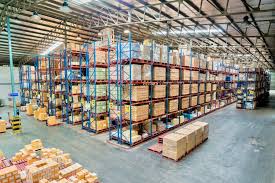

In the modern supply chain, the integrity of temperature-sensitive products is paramount. From dairy and fresh produce to pharmaceuticals and cosmetics, countless products require precise temperature control to maintain quality, safety, and shelf life. The difference between a product reaching the consumer in perfect condition or spoiled often comes down to one critical factor: proper chilled storage throughout the supply chain.
Chilled storage, distinct from frozen storage, maintains temperatures typically between 0°C and 5°C—cool enough to slow bacterial growth and enzymatic activity without freezing the product. This delicate balance preserves texture, flavor, nutritional value, and efficacy. For businesses operating in Saudi Arabia’s challenging climate, where outdoor temperatures regularly exceed 45°C, professional chilled storage has become an indispensable component of successful operations.
Chilled Storage
Chilled storage is a specialized warehousing solution that maintains precise, cooler-than-ambient temperatures to preserve perishable goods. The recommended temperature ranges vary by product type: dairy products and fresh items typically require 0°C to 5°C, fruits and vegetables thrive at 2°C to 10°C depending on perishability, and pharmaceutical products need 2°C to 8°C to maintain efficacy .
Beyond temperature control, professional chilled storage facilities manage critical environmental factors. Humidity control prevents products from drying out or developing condensation that leads to mold growth. Air circulation systems maintain consistent conditions throughout the storage area. Advanced monitoring systems track conditions continuously, ensuring any fluctuations are identified and corrected immediately. The chilled segment remains the most dominant in Saudi Arabia’s cold chain market, reflecting the high demand for fresh produce, dairy, and ready-to-eat foods that require strict temperature control .
Chilled Storage in Jeddah
Jeddah, the gateway to the holy cities of Makkah and Medina and the busiest port on the Red Sea, represents a critical hub for chilled storage demand in Saudi Arabia. The city’s position as the Kingdom’s primary import gateway means that vast quantities of temperature-sensitive goods—from fresh produce to pharmaceuticals—enter the country through Jeddah Islamic Port before being distributed across the western and southern regions .
The demand for professional chilled storage in Jeddah is driven by several factors. The city’s coastal location brings high humidity, which can accelerate spoilage and degrade packaging if not properly managed. Professional chilled storage facilities in Jeddah are specifically designed to maintain optimal humidity levels alongside temperature control, protecting products from both heat and moisture damage. Jeddah’s port connectivity demands cold storage facilities optimized for import/export operations and coastal conditions .
Salehiya operates state-of-the-art distribution centers in Jeddah featuring cold chain capabilities ranging from ambient to -80°C, with temperature-controlled zones maintaining optimal conditions at +2°C to +8°C. These facilities are GDP-certified and equipped with advanced temperature monitoring systems, supported by over 100 temperature-controlled vehicles connected in real-time to a central control tower .
Almunajem Cold Stores, with over 60 years of experience, operates extensive cold storage facilities across Jeddah as part of its nationwide network, managing over 900 vehicles equipped with advanced freezing and chilling units and holding HACCP and ISO 9001-2000 certifications .
Chilled Storage in Dammam
Dammam, the capital of the Eastern Province, serves as a critical logistics hub due to its proximity to the Persian Gulf, King Abdulaziz Port, and major industrial zones. The city’s position as a gateway to the Gulf region makes it an essential location for chilled storage serving not only Saudi Arabia’s Eastern Province but also neighboring markets .
The demand for professional chilled storage in Dammam has surged as the region’s food processing, pharmaceutical, and healthcare sectors continue to expand. The Eastern Province’s economy is anchored by the energy and petrochemical sectors, but the region has also seen significant growth in food manufacturing and pharmaceutical production. DTC delivers cold storage facilities in the Eastern Province supporting ports, industrial cities, and logistics zones .
Salehiya maintains state-of-the-art distribution centers in Dammam as part of its nationwide network, featuring fully equipped warehouses with separate loading docks, inbound areas, and specialized zones for product labeling and packing. These facilities maintain GDP certification with temperature-controlled zones ranging from +2°C to +8°C .
Abbar & Sons Cold Stores operates regional hubs in Dammam with multi-temperature storage capabilities ranging from -28°C to +25°C, supported by a fleet of over 400 refrigerated trucks transporting cargo across the GCC. The company has been a leading third-party logistics provider in Saudi Arabia since 1954 .
The Saudi Arabia cold chain market was valued at USD 3.5 billion in 2025 and is projected to grow substantially, with Riyadh, Jeddah, and Dammam dominating the market due to their strategic locations, robust infrastructure, and high population density .
Why Choose UNITS for Chilled Storage
When it comes to premium chilled storage solutions across the Kingdom, Units stands as the top company trusted by businesses seeking excellence. Operating through units.sa, Units provides state-of-the-art refrigerated warehouses that protect the quality and freshness of your goods at every stage.
Their chilled storage facilities feature fully integrated cooling systems for stable temperatures, advanced humidity and air quality control, 24/7 surveillance for maximum security, and full certification by the Saudi Food and Drug Authority. Units’ chilled storage is ideal for dairy products, fresh juices, ready-to-eat meals, perfumes, creams, skincare products, health supplements, bottled water, and temperature-sensitive raw materials.
With flexible contracts including month-to-month, 6-month, and 12-month options, coverage across Riyadh, Jeddah, and Dammam, and a user-friendly online platform for complete inventory visibility, Units ensures your chilled products remain in perfect condition from entry to delivery. Visit units.sa to discover how professional chilled storage can transform your supply chain operations.
Frequently Asked Questions
1. What is the temperature range for chilled storage in Jeddah and Dammam?
Chilled storage typically maintains temperatures between 0°C to 10°C, depending on product requirements. Dairy products and fresh meat require 0°C to 5°C, fruits and vegetables range from 2°C to 10°C based on perishability, and pharmaceutical products require 2°C to 8°C. The chilled segment holds a dominant share of Saudi Arabia’s cold chain market .
2. What is the difference between chilled storage and frozen storage?
Chilled storage keeps products cool enough to slow bacterial growth without freezing (0°C to 8°C), preserving texture, flavor, and nutritional value. Frozen storage maintains temperatures at -18°C to -25°C, completely halting biological activity. Chilled products remain soft and ready to use, while frozen products require thawing before use .
3. Why is chilled storage particularly important in Jeddah and Dammam?
Both Jeddah and Dammam are coastal cities with high humidity, which can accelerate spoilage and degrade packaging. Jeddah serves as the Kingdom’s primary import gateway for temperature-sensitive goods entering through Jeddah Islamic Port, while Dammam is a critical hub serving the Eastern Province’s growing food processing and pharmaceutical sectors. These cities dominate the market due to their strategic locations, robust infrastructure, and proximity to major transportation hubs .
4. Are chilled storage facilities in Jeddah and Dammam certified for food and pharmaceutical storage?
Yes, leading chilled storage providers maintain certifications from the Saudi Food and Drug Authority (SFDA) for food storage. For pharmaceutical products, Good Distribution Practice (GDP) certified facilities are available, featuring multiple temperature-controlled zones including 2°C to 8°C chambers for biologics and vaccines. Salehiya’s facilities are GDP-certified with temperature-controlled zones from ambient to -80°C .
5. Can I rent chilled storage space on a flexible, short-term basis in Jeddah or Dammam?
Absolutely. Modern chilled storage providers like Units offer flexible contracts including month-to-month, 6-month, and 12-month options, with space available starting from as little as 10 square meters. This flexibility enables businesses of all sizes—from small restaurants to large pharmaceutical distributors—to access professional chilled storage without long-term commitments.