In the rapidly evolving logistics landscape of Saudi Arabia, efficient storage solutions have become a cornerstone of supply chain success. Dry storage—warehousing designed for products that remain stable at room temperature—serves as the backbone for industries ranging from retail and e-commerce to manufacturing and food distribution. As the Kingdom accelerates toward its Vision 2030 goals, the demand for professional dry storage facilities in key commercial hubs has never been greater.
The Saudi dry warehousing market grew by 2.8 percent between 2015 and 2020 and continues its upward trajectory, driven by the industrial and retail sectors . For businesses operating in cities like Riyadh—the capital and main financial hub—access to reliable dry storage is not a luxury but a strategic necessity. Professional dry storage protects products from environmental challenges including extreme heat, dust, and humidity, ensuring that goods reach customers in perfect condition.
Dry Storage
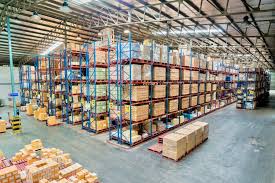
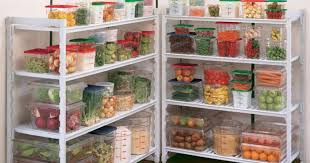
Dry storage refers to warehousing facilities that maintain stable, room-temperature conditions for products that do not require refrigeration or freezing. These facilities are engineered to provide clean, dry, and well-organized spaces that shield products from dust, pests, and temperature fluctuations. Unlike chilled or frozen storage, dry storage does not use active refrigeration, but professional dry warehouses utilize advanced ventilation systems, strategic racking layouts, and smart monitoring systems that track humidity and temperature .
The range of products suitable for dry storage is extensive. In the retail and e-commerce sectors, dry storage accommodates electronics, clothing, toys, books, and household items. The food industry relies on dry storage for canned goods, dry grains, pasta, coffee, and packaged snacks. Industrial sectors use dry storage for tires, spare parts, tools, and raw materials. The rise in cross-border e-commerce has made dry storage facilities more popular, as they can accommodate a wide range of products that do not require specific temperature control.
While dry storage is more cost-effective than cold storage due to lower energy requirements, it still demands rigorous management. Key challenges include preventing pest infestations, managing humidity levels to avoid mold or corrosion, and ensuring proper air circulation. The Saudi Food and Drug Authority (SFDA) has established technical regulations for dry and canned food storage facilities, implementing strict hygiene protocols to ensure compliance with all regulatory requirements for food safety .
Leading dry storage providers offer flexible contracts with options for month-to-month, 6-month, and 12-month durations, starting from as little as 10 square meters . Cloud-based Warehouse Management Systems provide complete inventory visibility, allowing clients to track stock levels, submit inbound requests, process outbound orders, and integrate with e-commerce platforms from anywhere.
Dry Storage in Riyadh
Riyadh, the capital and main financial hub of Saudi Arabia, represents a critical center for dry storage demand. The city’s central location and strong transportation infrastructure make it a strategic hub for logistics and warehousing. Riyadh’s position as the Kingdom’s commercial heart, combined with its rapidly growing population and expanding retail sector, creates substantial demand for warehousing. The city dedicates approximately 24.5 million square meters to warehousing and logistics parks, with districts primarily located near Riyadh’s dry port .
The demand for professional dry storage in Riyadh has surged as the city positions itself as a key logistics hub for both regional and international companies. The industrial and logistics sectors are key components of the Kingdom’s Global Supply Chain Resilience Initiative. The National Industrial Development and Logistics Program (NIDLP), a key component of Vision 2030, aims to increase the logistics sector’s GDP contribution from 6% to 10% by 2030 .
Recent developments reflect the growing importance of Riyadh’s warehousing sector. The Public Warehousing Company operates a 38,700 square meter facility on Al-Kharj Road in Riyadh, divided into 25 warehouses, providing substantial dry storage capacity for regional businesses . New modern class A logistics complexes are being developed, featuring various storage options including dry storage, temperature-controlled facilities, as well as specialized spaces for pharmaceutical and hazardous goods.
The e-commerce sector in Saudi Arabia has witnessed exponential growth, with businesses increasingly investing in local warehousing solutions that allow for quicker stock turnover and inventory management. For businesses in Riyadh, having dry storage locally reduces last-mile delivery distances to the central region significantly. Innovative platforms like Sirdab manage over 50 warehouses totaling 400,000 square meters of space across 8 cities in Saudi Arabia, offering flexible short-term contracts including month-to-month, 6-month, and 12-month durations .
Dry Storage in Saudi Arabia
Across the entire Kingdom, the demand for professional dry storage in Saudi Arabia spans every major city. The Saudi warehousing market is largest in the cities of Jeddah, Riyadh, and Dammam, with each playing a key role in the expansion of warehousing in Saudi Arabia .
Jeddah holds a significant share of warehousing revenue, with its warehousing and logistics supply districts stretching across approximately 26.1 million square meters, primarily concentrated near the Jeddah Islamic Port . The recent development of the Jeddah Logistics Park, a 415,000 square meter integrated logistics facility at Jeddah Islamic Port, represents a US$240 million collaboration between Mawani and DP World. This park will feature bonded and un-bonded zones, as well as dry, chilled, and cold storage facilities among its grade-A warehouse spaces, with capacity for more than 390,000 pallet positions .
Dammam dedicates 20.9 million square meters to warehousing and logistics parks, clustered among four zones surrounding the city . The Eastern Province’s economy is anchored by the energy, petrochemical, and manufacturing sectors, all requiring reliable dry storage for raw materials, spare parts, finished goods, and maintenance supplies. The Public Warehousing Company operates a 150,000 square meter facility in Dammam’s Al-Khalidiyah district, divided into 204 warehouses, providing substantial dry storage capacity for regional businesses .
The retail and e-commerce sector accounts for the dominant share of warehousing revenue, driven by the rapid expansion of online shopping platforms and organized retail networks . Modern dry storage solutions offer businesses significant advantages over self-managed warehousing. Third-party providers bring expertise in inventory management, security, and operational efficiency. On-demand warehousing enables companies to access warehouse solutions on a temporary basis, cost-effectively addressing shifting demand .
When it comes to premium dry storage solutions across the Kingdom, Units stands as the top company trusted by businesses seeking excellence. Operating through units.sa, Units provides efficient and secure warehousing solutions tailored to each client’s unique storage needs, with flexible contracts and a cutting-edge platform to manage inventory.
Their dry and ambient storage facilities feature optimized ventilation to prevent moisture damage, clean and well-organized layouts for easy access, 24/7 surveillance for maximum security, and full certification by the Saudi Food and Drug Authority . Units serves a wide range of products including electronics, apparel, tires, spare parts, household items, office supplies, books, documents, and industrial tools.
With coverage across Riyadh, Jeddah, and Dammam, Units takes full responsibility for any damage caused by their handling, providing complete peace of mind. Their flexible contracts allow businesses to scale space according to their needs without long-term commitments. Visit units.sa to discover how professional dry storage can optimize your supply chain operations.
Frequently Asked Questions
1. What types of products are suitable for dry storage in Riyadh and across Saudi Arabia?
Dry storage accommodates a wide range of products including electronics, clothing, toys, books, office supplies, tires, spare parts, industrial tools, canned goods, dry grains, pasta, coffee, and packaged snacks. Any product that remains stable at room temperature but requires protection from dust, heat, and humidity is suitable for dry storage .
2. How much warehousing space is available in Riyadh and other Saudi cities?
Riyadh dedicates approximately 24.5 million square meters to warehousing and logistics parks, Jeddah has 26.1 million square meters, and Dammam has 20.9 million square meters . The 72 million square meters across these three hubs are no longer sufficient to meet growing demand, driving continued expansion of warehousing capacity.
3. What security measures should I expect from a dry storage facility in Saudi Arabia?
Professional dry storage facilities implement comprehensive security measures including 24/7 CCTV surveillance, strict access control with biometric or keycard entry, gated compound security, and fire suppression systems. Units provides these security features across all their warehouses .
4. Can I access my dry storage inventory remotely from anywhere?
Yes, modern dry storage providers offer cloud-based Warehouse Management Systems that provide complete inventory visibility. You can track stock levels, submit inbound requests, process outbound orders, generate reports on space utilization, and integrate with e-commerce platforms—all from anywhere. Units’ warehouses are open from Saturday to Thursday, 7 AM to 5 PM .
5. Are dry storage facilities in Saudi Arabia certified for food storage?
Yes, leading dry storage providers maintain certification from the Saudi Food and Drug Authority (SFDA) for food storage . The SFDA has established specific technical regulations for dry and canned food storage facilities, ensuring compliance with all regulatory requirements for food safety . Units’ warehouses are fully SFDA-certified, implementing strict hygiene protocols and contamination-free environments.